

Jericoacoara
Jericoacoara, often simply called Jeri, is a paradise nestled in the northeastern coast of Brazil. Renowned for its stunning landscapes, laid-back atmosphere, and vibrant culture, this small fishing village has transformed into a popular tourist destination. With its breathtaking beaches, unique sand dunes, and crystal-clear lagoons, Jericoacoara offers a perfect blend of adventure and relaxation.
🌍 Geography and Natural Features
Jericoacoara is located within the state of Ceará, approximately 300 kilometers west of Fortaleza. The area is characterized by its dramatic coastal scenery, with striking sand dunes, pristine beaches, and lush lagoons.
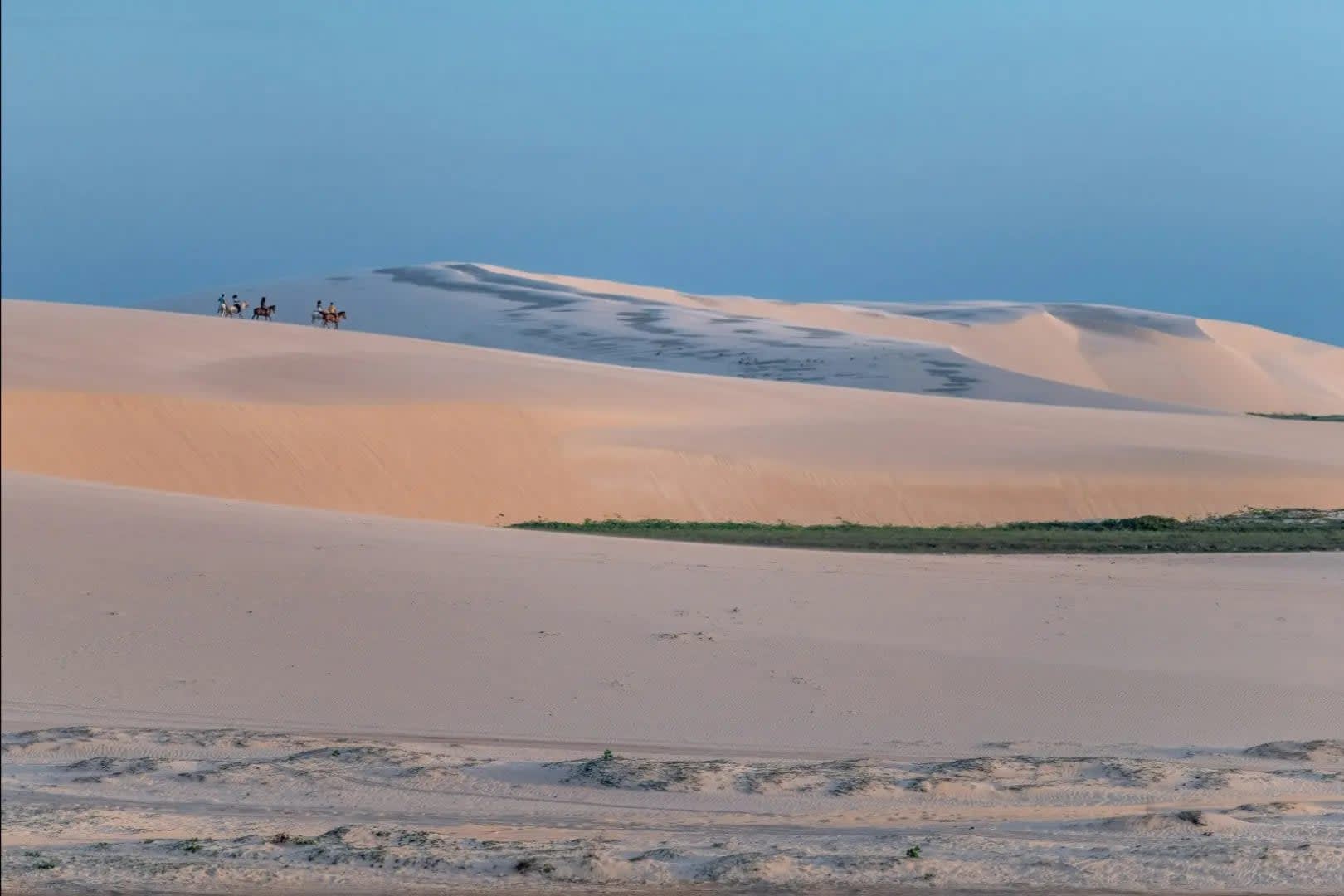
- Sand Dunes: The iconic sand dunes of Jericoacoara are a major attraction. The Duna do Pôr do Sol (Sunset Dune) is a favorite spot for watching the sunset, offering panoramic views of the coastline and surrounding landscape.
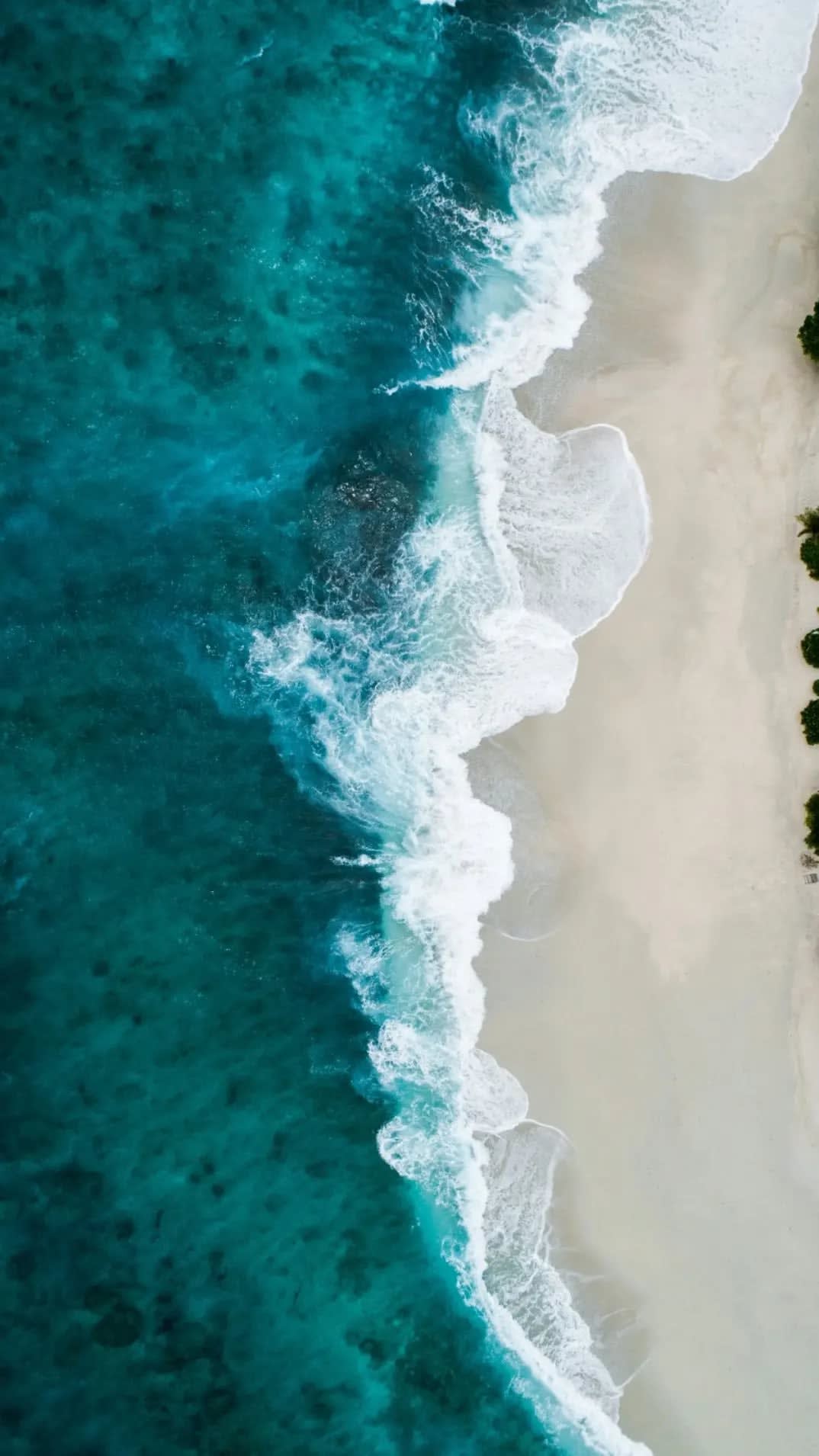
- Beaches: Jericoacoara boasts several stunning beaches, including Praia de Jericoacoara, a long stretch of soft white sand perfect for sunbathing and water sports. The beach is lined with charming bars and restaurants that offer fresh seafood and local delicacies.
- Lagoas: The area is home to several beautiful lagoons, including Lagoa do Paraíso and Lagoa Azul. These lagoons are famous for their turquoise waters and are ideal for swimming, relaxing, and enjoying the natural beauty of the region.
📜 History and Cultural Significance
Jericoacoara, a stunning coastal village located in the northeastern part of Brazil, boasts a rich history that dates back to the indigenous tribes who inhabited the region long before European colonization. The name 'Jericoacoara' originates from the Tupi language, meaning 'the place that is in the path of the sun,' reflecting the area’s breathtaking sunrises and sunsets that attract visitors from all over the world. The village's history is deeply rooted in its connection to nature, and it has developed a unique identity shaped by its indigenous heritage.
Early Indigenous History: Long before the arrival of European settlers, the region was home to indigenous tribes, including the Tupi and Guarani peoples. These communities relied on the abundant natural resources of the area, living sustainably through fishing and gathering. Their connection to the land is evident in the oral traditions and practices that have been passed down through generations. The indigenous peoples recognized the significance of the sun, sea, and sand, which played vital roles in their daily lives and cultural beliefs.
As time progressed, Jericoacoara transformed from a small fishing community into a vibrant village. The natural beauty of the region, characterized by towering dunes, pristine beaches, and crystal-clear waters, has always drawn people to this idyllic location. The village began to develop its unique charm, reflecting a lifestyle closely tied to the rhythms of nature. Fishing remained a vital part of the local economy, with residents utilizing traditional methods to harvest the rich marine life found along the coast.
Local Culture: The culture of Jericoacoara is a captivating blend of indigenous, African, and Portuguese influences, which is reflected in its music, dance, and cuisine. Traditional Brazilian culture thrives in Jericoacoara, and the village hosts a variety of cultural events throughout the year, including vibrant music and dance festivals. Visitors can immerse themselves in the local culture by experiencing live performances of forró, samba, and other Brazilian rhythms. Additionally, the culinary scene features an array of delicious dishes that highlight the region’s fresh seafood and local ingredients, showcasing the diverse cultural influences that have shaped Jericoacoara.
Tourism Development: In the late 20th century, Jericoacoara began to gain popularity among tourists, thanks to its stunning landscapes, laid-back vibe, and excellent conditions for water sports like windsurfing and kitesurfing. As the village became a hotspot for adventure seekers and nature lovers, it retained much of its cultural charm and natural beauty, setting it apart from more commercialized tourist destinations. Despite its growth as a tourist destination, local residents and conservationists have made concerted efforts to preserve the traditional lifestyle and environment of Jericoacoara.
In recognition of its unique ecology and cultural significance, Jericoacoara was designated as a National Park in 2002. This status has helped protect its natural landscapes, including the expansive dunes, mangroves, and lagoons, while also promoting sustainable tourism practices. Local initiatives focus on minimizing the environmental impact of tourism, ensuring that future generations can enjoy the natural beauty and cultural richness of this remarkable place.
Today, Jericoacoara is not only a stunning beach destination but also a vibrant community that celebrates its diverse heritage. Visitors to Jericoacoara can engage with the local culture, explore the breathtaking landscapes, and appreciate the harmonious relationship between the community and nature. The village’s blend of tradition and modernity creates a unique experience that continues to draw travelers seeking both adventure and tranquility.
As Jericoacoara moves forward, the commitment to preserving its cultural identity and natural environment remains strong, ensuring that this enchanting destination continues to thrive for generations to come. The allure of Jericoacoara lies not only in its spectacular scenery but also in the stories of the people and cultures that have shaped it throughout history.
Early Indigenous History: Long before the arrival of European settlers, the region was home to indigenous tribes, including the Tupi and Guarani peoples. These communities relied on the abundant natural resources of the area, living sustainably through fishing and gathering. Their connection to the land is evident in the oral traditions and practices that have been passed down through generations. The indigenous peoples recognized the significance of the sun, sea, and sand, which played vital roles in their daily lives and cultural beliefs.
As time progressed, Jericoacoara transformed from a small fishing community into a vibrant village. The natural beauty of the region, characterized by towering dunes, pristine beaches, and crystal-clear waters, has always drawn people to this idyllic location. The village began to develop its unique charm, reflecting a lifestyle closely tied to the rhythms of nature. Fishing remained a vital part of the local economy, with residents utilizing traditional methods to harvest the rich marine life found along the coast.
Local Culture: The culture of Jericoacoara is a captivating blend of indigenous, African, and Portuguese influences, which is reflected in its music, dance, and cuisine. Traditional Brazilian culture thrives in Jericoacoara, and the village hosts a variety of cultural events throughout the year, including vibrant music and dance festivals. Visitors can immerse themselves in the local culture by experiencing live performances of forró, samba, and other Brazilian rhythms. Additionally, the culinary scene features an array of delicious dishes that highlight the region’s fresh seafood and local ingredients, showcasing the diverse cultural influences that have shaped Jericoacoara.
Tourism Development: In the late 20th century, Jericoacoara began to gain popularity among tourists, thanks to its stunning landscapes, laid-back vibe, and excellent conditions for water sports like windsurfing and kitesurfing. As the village became a hotspot for adventure seekers and nature lovers, it retained much of its cultural charm and natural beauty, setting it apart from more commercialized tourist destinations. Despite its growth as a tourist destination, local residents and conservationists have made concerted efforts to preserve the traditional lifestyle and environment of Jericoacoara.
In recognition of its unique ecology and cultural significance, Jericoacoara was designated as a National Park in 2002. This status has helped protect its natural landscapes, including the expansive dunes, mangroves, and lagoons, while also promoting sustainable tourism practices. Local initiatives focus on minimizing the environmental impact of tourism, ensuring that future generations can enjoy the natural beauty and cultural richness of this remarkable place.
Today, Jericoacoara is not only a stunning beach destination but also a vibrant community that celebrates its diverse heritage. Visitors to Jericoacoara can engage with the local culture, explore the breathtaking landscapes, and appreciate the harmonious relationship between the community and nature. The village’s blend of tradition and modernity creates a unique experience that continues to draw travelers seeking both adventure and tranquility.
As Jericoacoara moves forward, the commitment to preserving its cultural identity and natural environment remains strong, ensuring that this enchanting destination continues to thrive for generations to come. The allure of Jericoacoara lies not only in its spectacular scenery but also in the stories of the people and cultures that have shaped it throughout history.
🏃 Activities and Attractions
Jericoacoara offers a wide range of activities for visitors, from adventure sports to relaxation on the beach. Whether you seek adrenaline-pumping experiences or tranquil moments, there’s something for everyone.
- Wind and Kitesurfing: Jericoacoara is known as one of the best spots in Brazil for windsurfing and kitesurfing, thanks to its consistent winds and beautiful waters. Numerous schools and rental shops are available for beginners and experienced surfers alike.
- Hiking and Sandboarding: Explore the surrounding dunes on foot or try sandboarding down the slopes for a fun and exhilarating experience. Several guided tours are available that take you to the best spots for hiking and sandboarding.
- Relaxing at Lagoas: Spend a day at Lagoa do Paraíso or Lagoa Azul, where you can relax in hammocks, swim in the clear waters, and enjoy delicious food from local restaurants set up around the lagoons.
- Sunset Watching: Don't miss the breathtaking sunsets at Duna do Pôr do Sol, where visitors gather to watch the sun dip below the horizon, painting the sky in vibrant colors. It's a magical experience that should not be missed.
- Exploring the Village: Take a leisurely stroll through the village of Jericoacoara, where you'll find charming shops, art galleries, and local eateries. Experience the vibrant atmosphere and friendly hospitality of the locals.
💡 Travel Tips
How to Get There: Jericoacoara is accessible by road, with the nearest airport being Jericoacoara Airport (JJD), which offers flights from major Brazilian cities. From Fortaleza, it takes about 4-6 hours by car or bus to reach Jericoacoara.
Best Time to Visit: The best time to visit is from June to December when the weather is dry, and the winds are ideal for water sports. The peak tourist season is from July to August, so plan accordingly.
What to Bring: Pack lightweight clothing, sunscreen, a hat, and comfortable footwear for exploring the dunes. Don’t forget your camera to capture the stunning landscapes!
Best Time to Visit: The best time to visit is from June to December when the weather is dry, and the winds are ideal for water sports. The peak tourist season is from July to August, so plan accordingly.
What to Bring: Pack lightweight clothing, sunscreen, a hat, and comfortable footwear for exploring the dunes. Don’t forget your camera to capture the stunning landscapes!
🌱 Conservation
Jericoacoara is part of the Jericoacoara National Park, which emphasizes the importance of preserving its unique ecosystems. The park is committed to protecting the delicate balance between tourism and environmental conservation.
Sustainable Tourism: Visitors are encouraged to practice sustainable tourism by minimizing their environmental impact, such as avoiding littering and respecting wildlife. The local community actively promotes eco-friendly practices to protect the natural beauty of the area.
Local Initiatives: Various initiatives and programs aim to educate visitors about the importance of conservation and responsible tourism. Engaging with local organizations can enhance your experience and contribute positively to the community.
Sustainable Tourism: Visitors are encouraged to practice sustainable tourism by minimizing their environmental impact, such as avoiding littering and respecting wildlife. The local community actively promotes eco-friendly practices to protect the natural beauty of the area.
Local Initiatives: Various initiatives and programs aim to educate visitors about the importance of conservation and responsible tourism. Engaging with local organizations can enhance your experience and contribute positively to the community.
✨ Conclusion
Jericoacoara is a captivating destination that combines natural beauty, adventure, and cultural richness. Whether you’re seeking thrills in the water or tranquility on the beach, Jeri has something for everyone. This enchanting village invites you to experience its charm and creates lasting memories that you’ll cherish long after your visit.


