

Peninsula Valdes
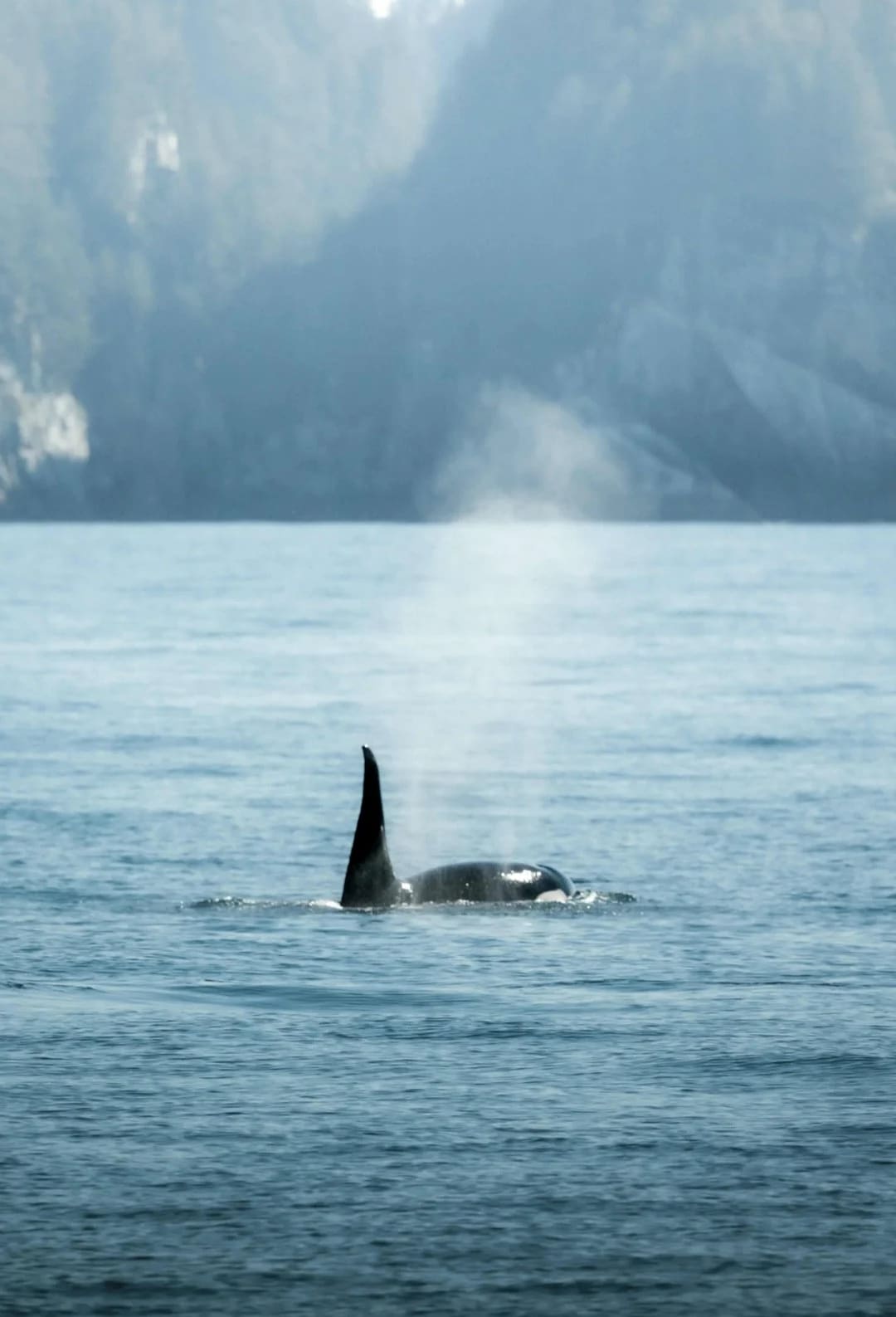
Peninsula Valdes, located in the Patagonian region of Argentina, is a UNESCO World Heritage Site famous for its extraordinary wildlife and pristine natural landscapes. A paradise for nature lovers and wildlife enthusiasts, the peninsula is home to an array of marine and land species, including southern right whales, sea lions, penguins, and guanacos. Visitors can experience this biodiverse haven through various tours, from whale watching to exploring the coastline's striking beauty.
🌍 Geography and Natural Features
Peninsula Valdes is a stark yet stunning peninsula situated in the Atlantic Ocean, in the province of Chubut, Argentina. The landscape is characterized by its arid terrain, coastal cliffs, and salt flats, offering a dramatic contrast to the rich marine life found offshore.
- Located on the eastern coast of Argentina, in the Patagonian region.
- The peninsula is surrounded by the Golfo Nuevo and Golfo San José, both rich in marine biodiversity.
- Its landscape includes salt flats, steppes, cliffs, and sandy beaches.
- A vital breeding ground for southern right whales, sea lions, and other marine animals.
- Peninsula Valdes is also home to several protected natural areas and reserves.
📜 History and Cultural Significance
Peninsula Valdes has a rich history, both natural and cultural. The area was originally inhabited by indigenous groups, such as the Tehuelche, who lived off its marine resources. European settlers arrived in the area in the 18th century, and it was later recognized for its significance in conservation and biodiversity. In 1999, Peninsula Valdes was declared a UNESCO World Heritage Site in recognition of its exceptional natural heritage.
Over time, the region has become a crucial site for scientific research, particularly in marine biology, as it hosts important breeding grounds for endangered species.
Over time, the region has become a crucial site for scientific research, particularly in marine biology, as it hosts important breeding grounds for endangered species.
🏃 Activities and Attractions
Peninsula Valdes offers a variety of activities that allow visitors to immerse themselves in its natural beauty and wildlife.
- Whale watching: From June to December, spot southern right whales from the shores or on a boat tour.
- Visit the sea lion colonies: Observe sea lions in their natural habitats, particularly at Punta Loma.
- Explore Punta Tombo: Home to one of the largest colonies of Magellanic penguins in the world.
- Bird watching: The peninsula is a haven for birdwatchers, home to species like the Andean condor and flamingos.
- Take a 4x4 tour through the rugged terrain to see the unique landscapes and wildlife up close.
💡 Travel Tips
Best time to visit: The best time to visit Peninsula Valdes is between June and December, when whale watching is at its peak. Penguins and sea lions can also be seen year-round.
Getting there: The closest city to Peninsula Valdes is Trelew, accessible by plane from Buenos Aires. From there, it's about a 1.5-hour drive to the peninsula.
What to pack: Bring warm clothing, even in summer, as the weather can be chilly and windy. Also, pack sunscreen, binoculars for wildlife watching, and sturdy shoes for walking on rough terrain.
Health precautions: The peninsula is a remote area, so it’s important to bring any necessary medications and be prepared for limited services. Be mindful of the region's natural conditions and always follow local guidelines for safety, especially when interacting with wildlife.
Getting there: The closest city to Peninsula Valdes is Trelew, accessible by plane from Buenos Aires. From there, it's about a 1.5-hour drive to the peninsula.
What to pack: Bring warm clothing, even in summer, as the weather can be chilly and windy. Also, pack sunscreen, binoculars for wildlife watching, and sturdy shoes for walking on rough terrain.
Health precautions: The peninsula is a remote area, so it’s important to bring any necessary medications and be prepared for limited services. Be mindful of the region's natural conditions and always follow local guidelines for safety, especially when interacting with wildlife.
🌱 Conservation Efforts
Peninsula Valdes is a prime example of effective conservation. The peninsula's status as a UNESCO World Heritage Site ensures that its unique ecosystems are preserved for future generations. Various organizations work to protect the region's biodiversity, including whale watching regulations that minimize disturbance to the animals. Efforts focus on monitoring wildlife populations, restoring habitats, and controlling invasive species. Additionally, local communities are actively involved in sustainable tourism practices, ensuring that tourism benefits both the environment and local people.
Visitors to the region can contribute by respecting local conservation rules, such as maintaining a safe distance from animals and supporting eco-friendly tours.
Visitors to the region can contribute by respecting local conservation rules, such as maintaining a safe distance from animals and supporting eco-friendly tours.
✨ Conclusion
Peninsula Valdes is a natural wonder that offers an unparalleled opportunity to experience wildlife in its natural habitat. From the awe-inspiring sight of southern right whales breaching the surface to the playful antics of sea lions and penguins, the peninsula is a must-visit destination for nature enthusiasts. Its pristine landscapes, rich biodiversity, and commitment to conservation make it one of the most important natural reserves in Argentina and the world. Visit Peninsula Valdes and immerse yourself in this spectacular corner of Patagonia.