Los Glaciares National Park
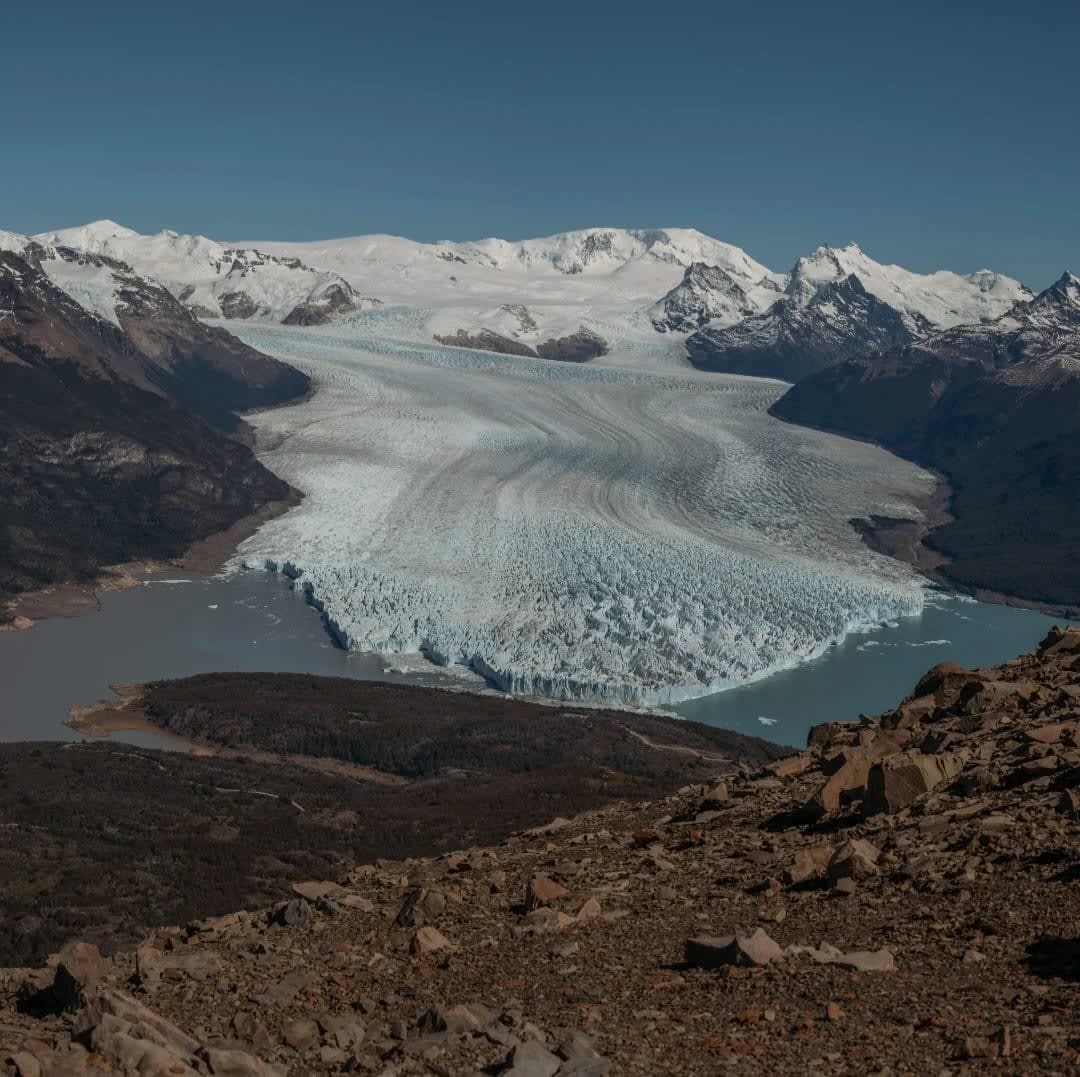
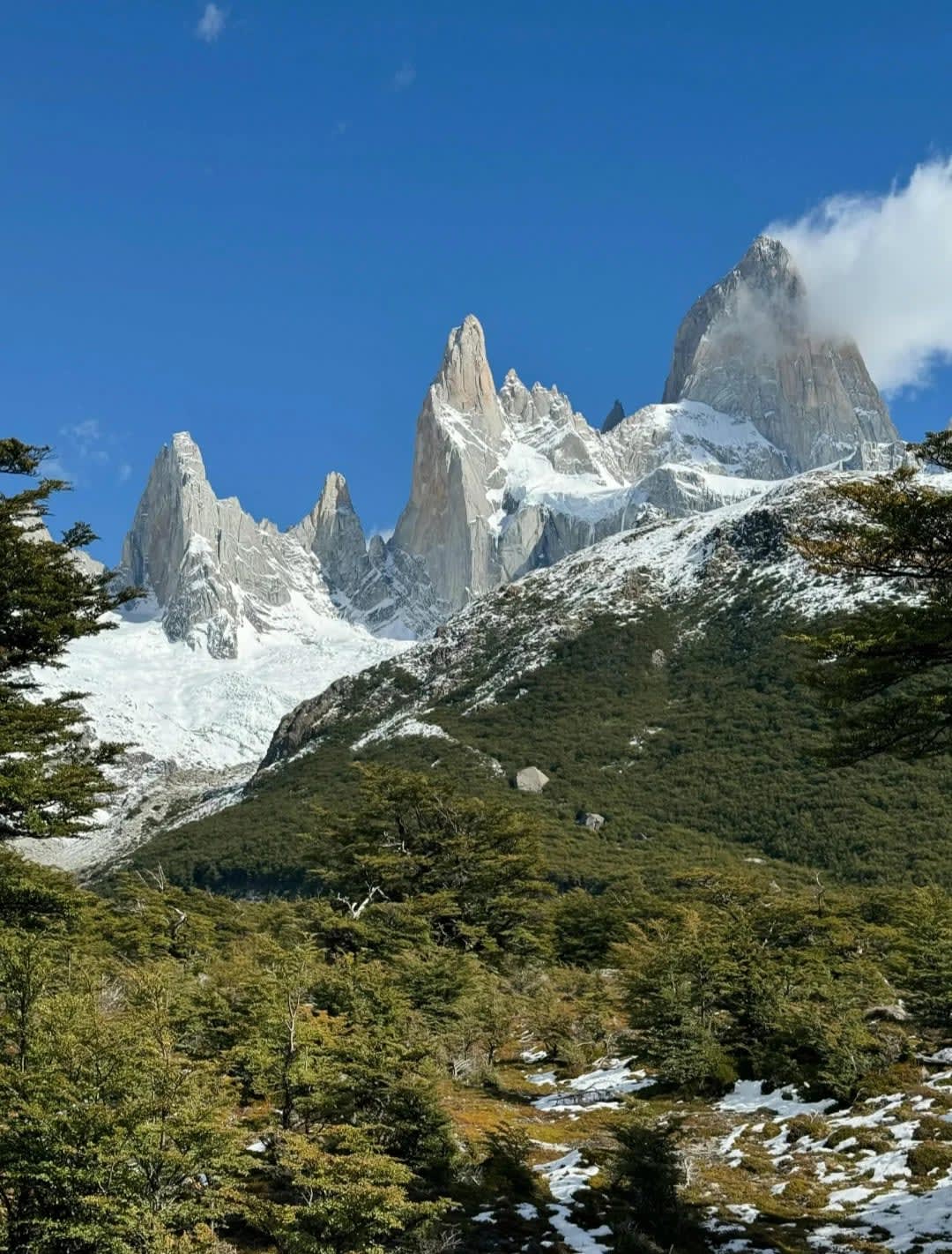
Los Glaciares National Park, located in southern Argentina, is a vast and awe-inspiring protected area in Patagonia. Designated a UNESCO World Heritage Site in 1981, this park is celebrated for its expansive glaciers, rugged mountains, and pristine turquoise lakes. Home to iconic landmarks such as the Perito Moreno Glacier and Mount Fitz Roy, it is a must-visit destination for nature enthusiasts, adventurers, and photographers seeking dramatic landscapes.
🌍 Geography and Natural Features
Spanning an area of over 7,270 square kilometers (2,807 square miles), Los Glaciares National Park is Argentina's largest national park. Its landscapes are shaped by millennia of glacial activity, resulting in breathtaking vistas of ice fields, forests, and mountains.
- Located in the Santa Cruz Province, near the border with Chile.
- Features the Southern Patagonian Ice Field, the world's third-largest ice field after Antarctica and Greenland.
- The Perito Moreno Glacier, spanning 250 square kilometers (97 square miles), is one of the few glaciers globally that is still advancing.
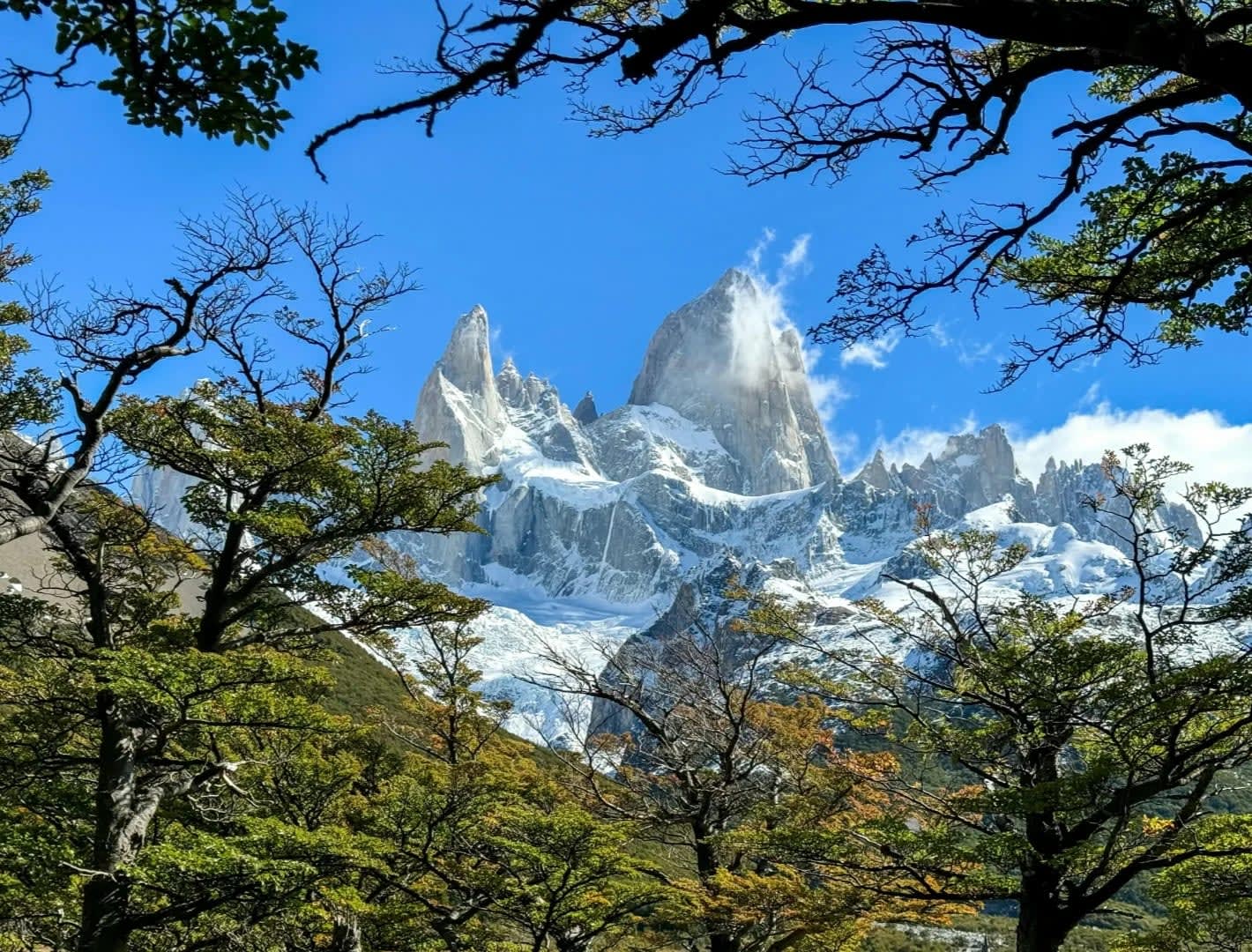
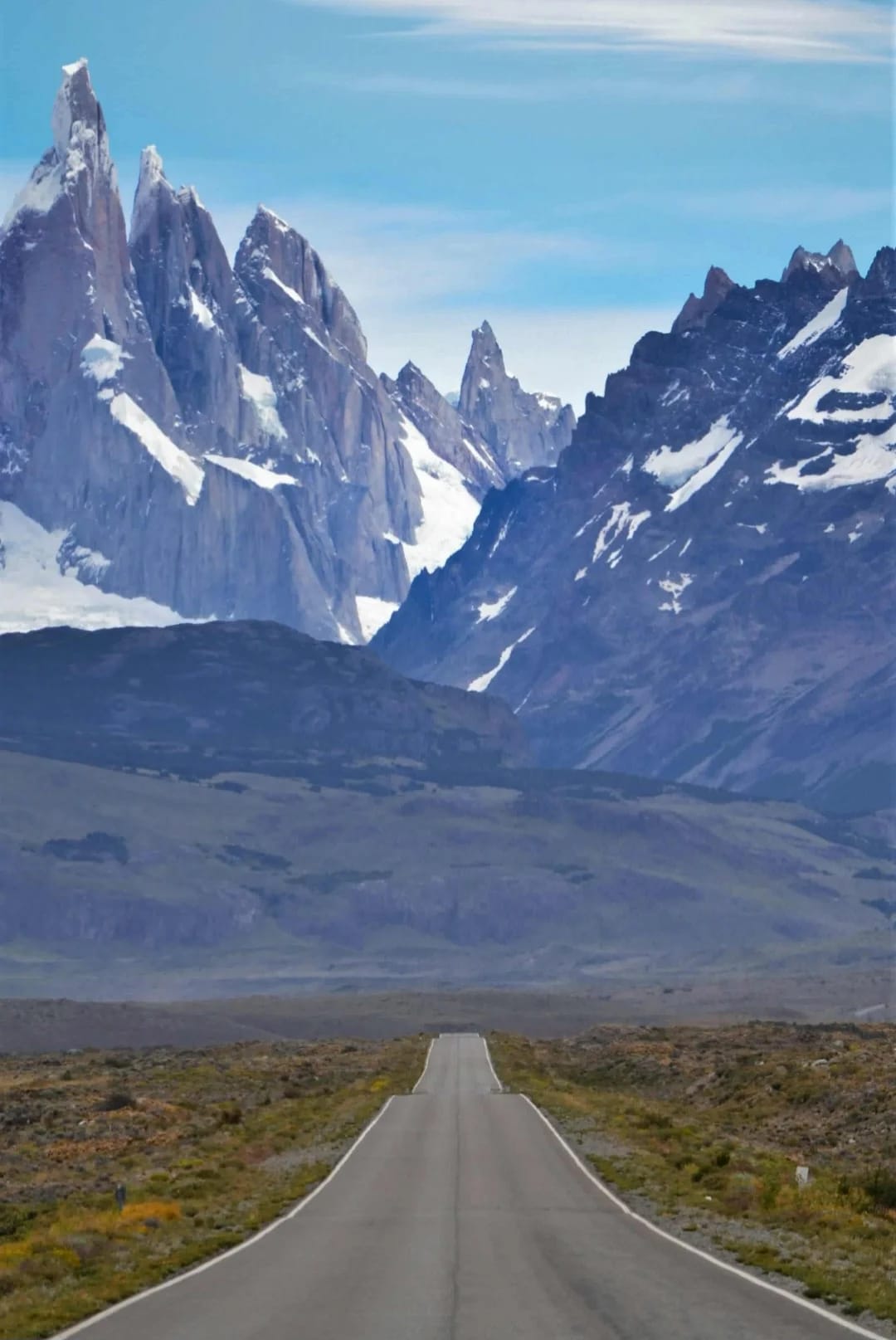
- Mount Fitz Roy, also known as Cerro Chaltén, rises to 3,405 meters (11,171 feet) and attracts climbers from around the world.
- Turquoise lakes such as Lago Argentino and Lago Viedma add to the park's stunning beauty.
📜 History and Cultural Significance
The region of Los Glaciares National Park has long been inhabited by the Tehuelche people, indigenous to Patagonia, who developed a deep connection with the area's harsh yet beautiful environment. European explorers began documenting the region in the 19th century, paving the way for scientific studies and tourism. The park was established in 1937 to protect its unique landscapes and ecosystems. Its designation as a UNESCO World Heritage Site highlights its global importance, both as a natural wonder and as a cultural treasure of Patagonia.
🏃 Activities and Attractions
Los Glaciares National Park offers visitors a wide range of activities and attractions, making it a paradise for outdoor enthusiasts.
- Witnessing the dramatic ice calving at Perito Moreno Glacier.
- Trekking the challenging trails around Mount Fitz Roy and Laguna de los Tres.
- Exploring Lago Argentino by boat, with views of the Upsala and Spegazzini Glaciers.
- Discovering the charming village of El Chaltén, known as Argentina's trekking capital.
- Wildlife spotting, including condors, guanacos, and the elusive Andean fox.
💡 Travel Tips
Best time to visit: November to March offers warmer weather and ideal trekking conditions. For fewer crowds, consider visiting in the shoulder seasons of October or April.
Getting there: The nearest airport is in El Calafate, with flights from major cities like Buenos Aires. From there, the park is accessible by road.
What to pack: Sturdy hiking boots, layered clothing, waterproof gear, and sunscreen are essentials. Don't forget a camera to capture the stunning vistas.
Local services: El Calafate and El Chaltén offer accommodations, restaurants, and tour operators for guided excursions.
Stay informed: Check weather conditions regularly, as Patagonia is known for its rapidly changing climate.
Getting there: The nearest airport is in El Calafate, with flights from major cities like Buenos Aires. From there, the park is accessible by road.
What to pack: Sturdy hiking boots, layered clothing, waterproof gear, and sunscreen are essentials. Don't forget a camera to capture the stunning vistas.
Local services: El Calafate and El Chaltén offer accommodations, restaurants, and tour operators for guided excursions.
Stay informed: Check weather conditions regularly, as Patagonia is known for its rapidly changing climate.
🌱 Conservation Efforts
As a UNESCO World Heritage Site, Los Glaciares National Park is at the forefront of conservation efforts in Argentina. These initiatives aim to protect the park's unique ecosystems, including its glaciers, forests, and wildlife. Challenges such as climate change, glacier retreat, and human impact are addressed through sustainable tourism practices and scientific research.
Visitors play a crucial role in conservation by adhering to park regulations, such as staying on marked trails, avoiding littering, and respecting wildlife. Additionally, guided tours and eco-friendly accommodations contribute to minimizing the ecological footprint of tourism. By prioritizing sustainability, Los Glaciares National Park continues to thrive as a natural wonder for generations to come.
Visitors play a crucial role in conservation by adhering to park regulations, such as staying on marked trails, avoiding littering, and respecting wildlife. Additionally, guided tours and eco-friendly accommodations contribute to minimizing the ecological footprint of tourism. By prioritizing sustainability, Los Glaciares National Park continues to thrive as a natural wonder for generations to come.
✨ Conclusion
Los Glaciares National Park is a natural masterpiece, offering unparalleled beauty and adventure. From the towering Perito Moreno Glacier to the majestic peaks of Mount Fitz Roy, the park showcases the best of Patagonia's landscapes. Whether you're a seasoned trekker, a nature lover, or simply in search of awe-inspiring vistas, Los Glaciares is a destination that promises unforgettable experiences. Embrace its wild beauty, respect its delicate ecosystems, and take home memories that will last a lifetime.